'Aisyiyah Banten Health Polytechnic and Bumigora University Educate Teenagers about Balanced Nutrition, Reproductive Health and the Dangers of Addictive Substances
JPPM Editorial Team 2 min read 11 views
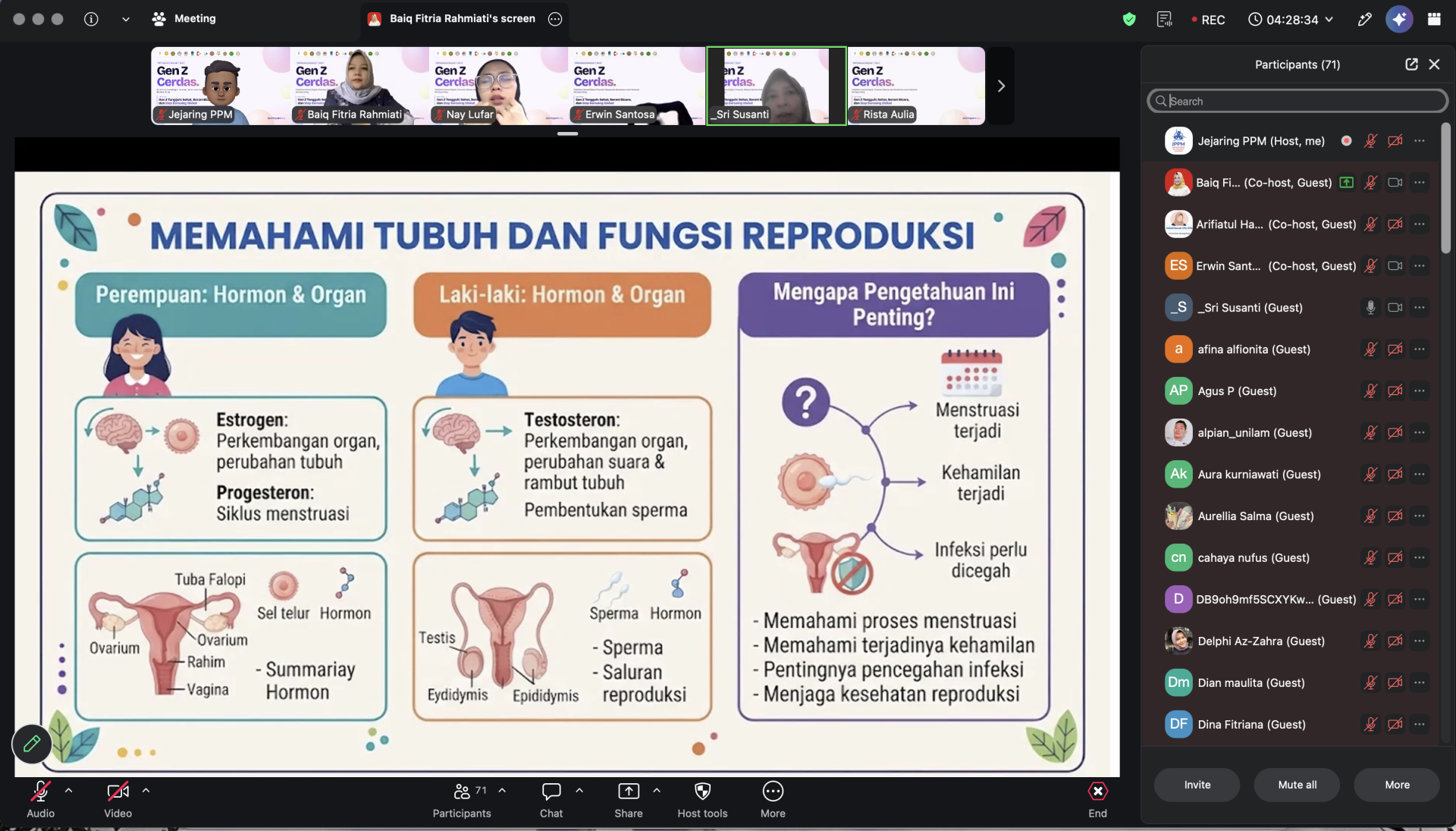
Strong teenagers need a healthy body and correct health information. This message is the core of the material "Balanced Nutrition, Reproductive Health, and Prevention of Addictive Substances in Adolescents" delivered by the 'Aisyiyah Banten Health Polytechnic together with Bumigora University in the Smart Gen Z Literacy Training Session 2, Saturday (21/11/2026). The National Collaborative Community Service Activities organized by JPPM took place online via Zoom Meeting.
Three speakers bring complementary expertise. Bd. Nay Lufar, M.Kebis a lecturer in midwifery and Head of the Center for Research and Community Service at the 'Aisyiyah Banten Health Polytechnic. This Master of Midwifery graduate from 'Aisyiyah University Yogyakarta focuses on maternal and adolescent nutrition as well as reproductive health, and has repeatedly educated adolescents about anemia prevention and menstrual hygiene. He was accompanied by Sri Susanti, M.M., M.Kes., his colleague from the 'Aisyiyah Banten Health Polytechnic. From Bumigora University there was Baiq Fitria Rahmiati, S.Gz., M.Sc., lecturer in the Nutrition Study Program, graduate of Brawijaya University and master of Community Nutrition at IPB. He has experience in various national nutrition surveys, including Riskesdas 2018, and was on the NTB BKKBN nutrition expert team in accelerating stunting reduction.
This material touches on three issues that are often considered trivial by teenagers. First, diet: snack habits, skipping breakfast, and even extreme diets for the sake of appearance can affect health and academic achievement. Second, reproductive health: many teenagers still seek information from sources that are not necessarily appropriate, including social media. Third, addictive substances, including cigarettes and vapes, are increasingly familiar among students. These three things are discussed as one unit, because the habits formed in adolescence will have an impact into adulthood.
The question and answer session was warm. Questions come from students who want to know how to eat nutritious food with limited pocket money, to parents who want to open a conversation about reproductive health with their children without feeling awkward. The speakers answered based on their experience in the fields of midwifery, public health and nutrition.
The collaboration between Poltekkes' Aisyiyah Banten and Bumigora University, two institutions from Banten and West Nusa Tenggara, shows that community service can reach participants cross regions without being hindered by distance. This material concludes the morning session and emphasizes that a competitive generation begins with a healthy generation.
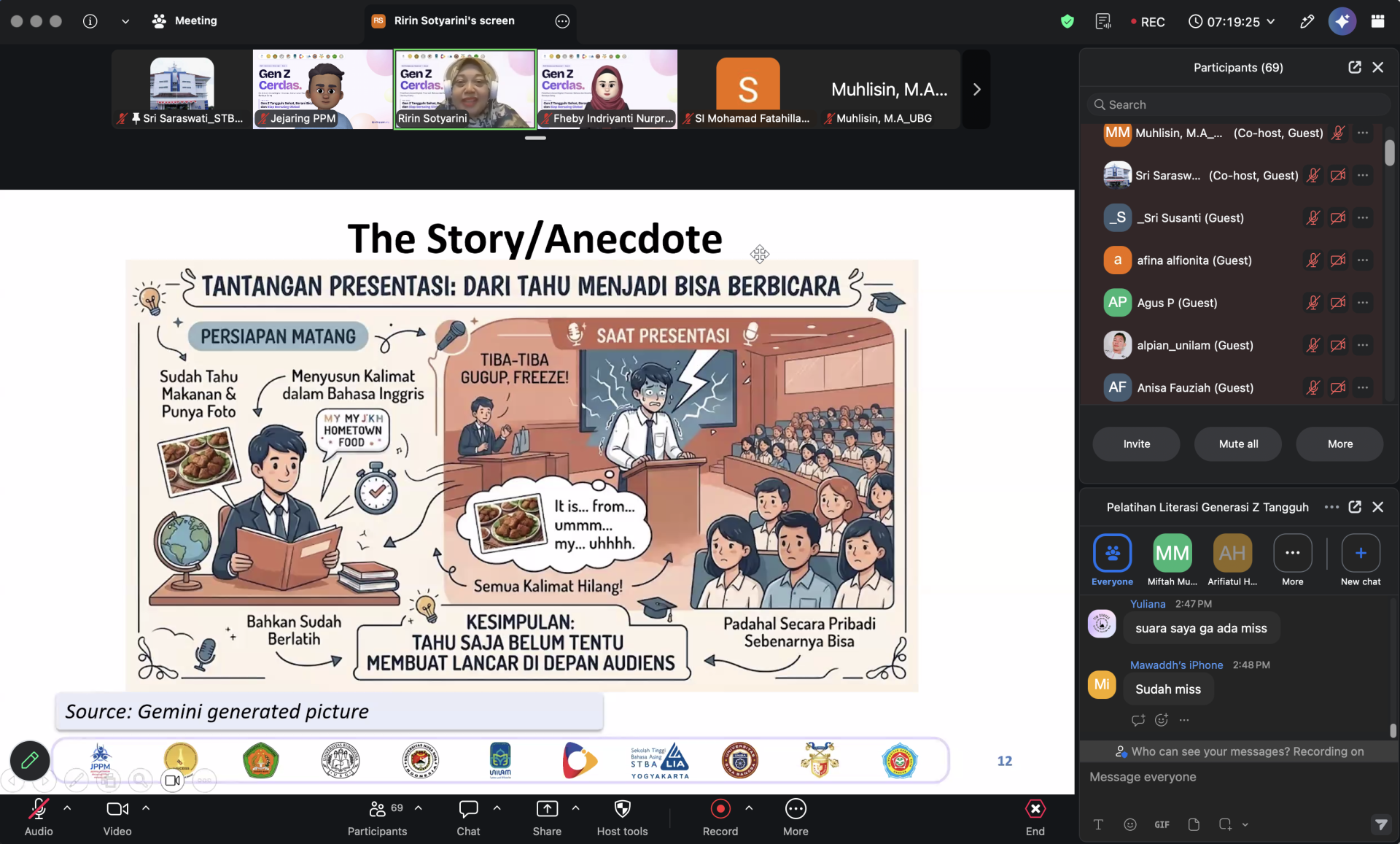
The LIA Yogyakarta College of Foreign Languages (STBA) closed the series of material for Smart Gen Z Literacy Training Session 2 with the material "Strengthening Public Speaking and Communication...
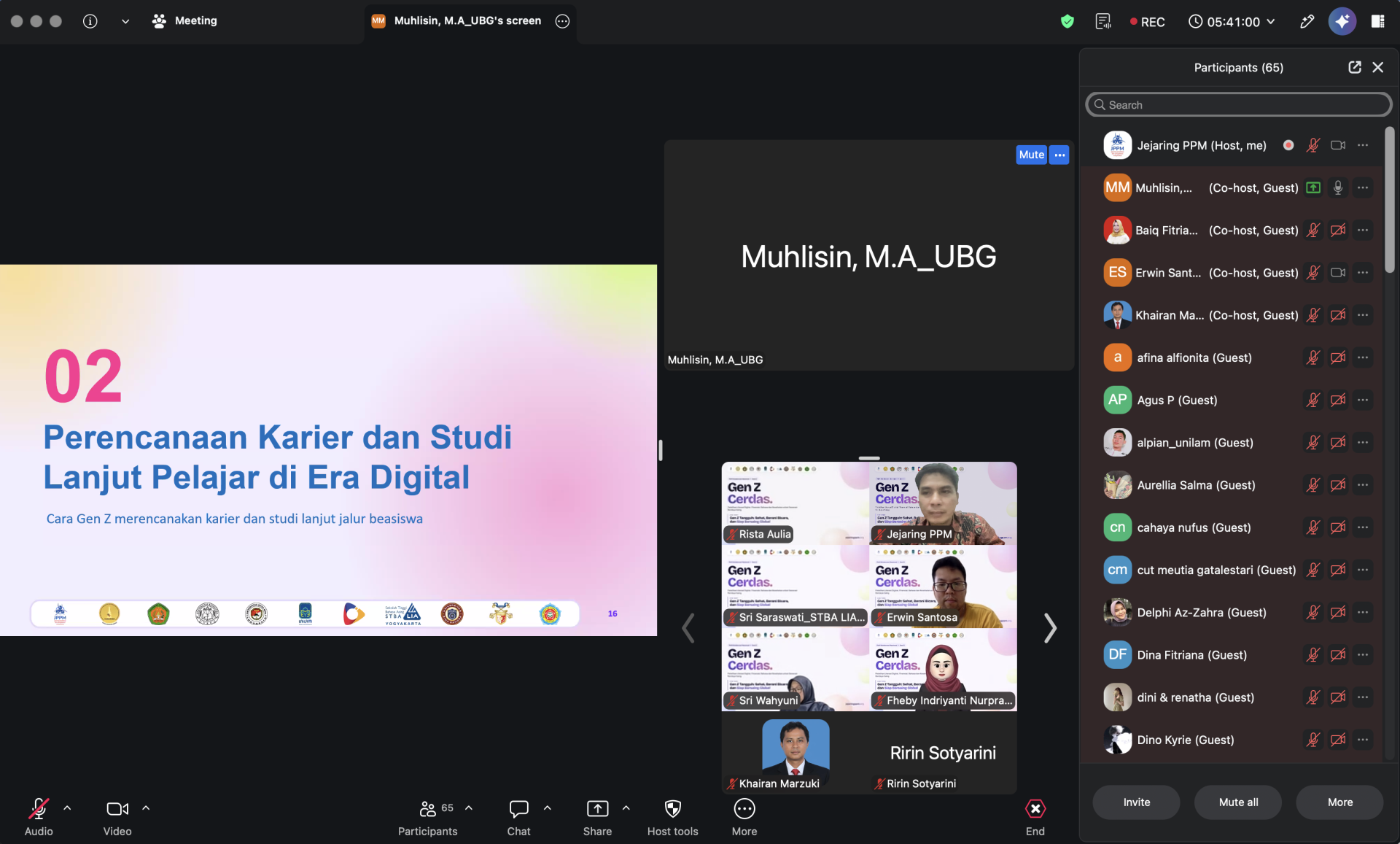
Where do you study, what major do you choose, go straight to work, or become an entrepreneur? These questions often make students hesitate. Bumigora University is here to help...
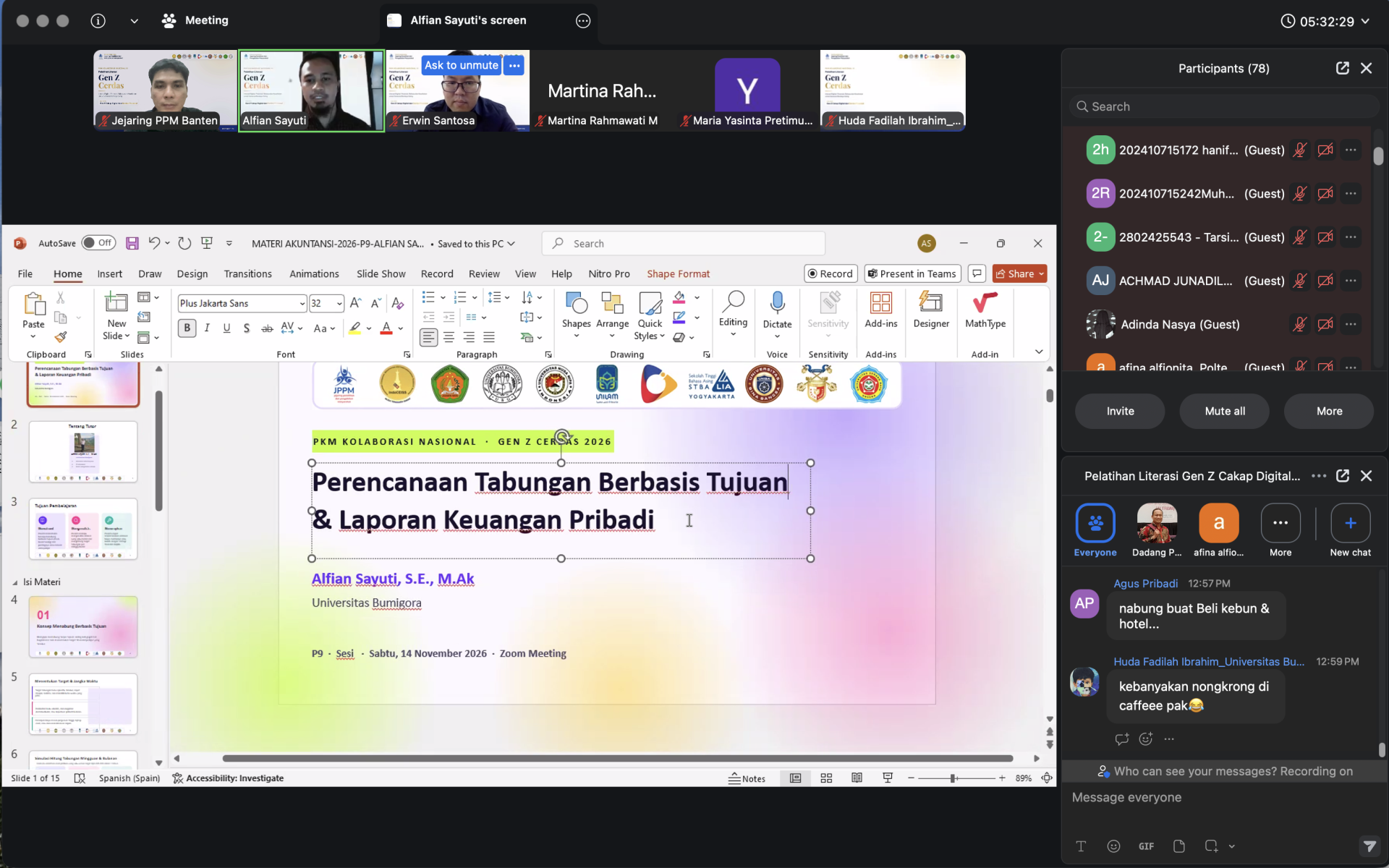
Serang, 14 November 2026 – The Smart Gen Z Literacy Training Series entered its final session late in the afternoon. National Collaborative PkM Activity III which was held...